How to Choose a Workation Spot That Actually Works (Not Just Looks Good on Instagram)

HelloWale Team
Published: July 18, 2026 · 5 min read
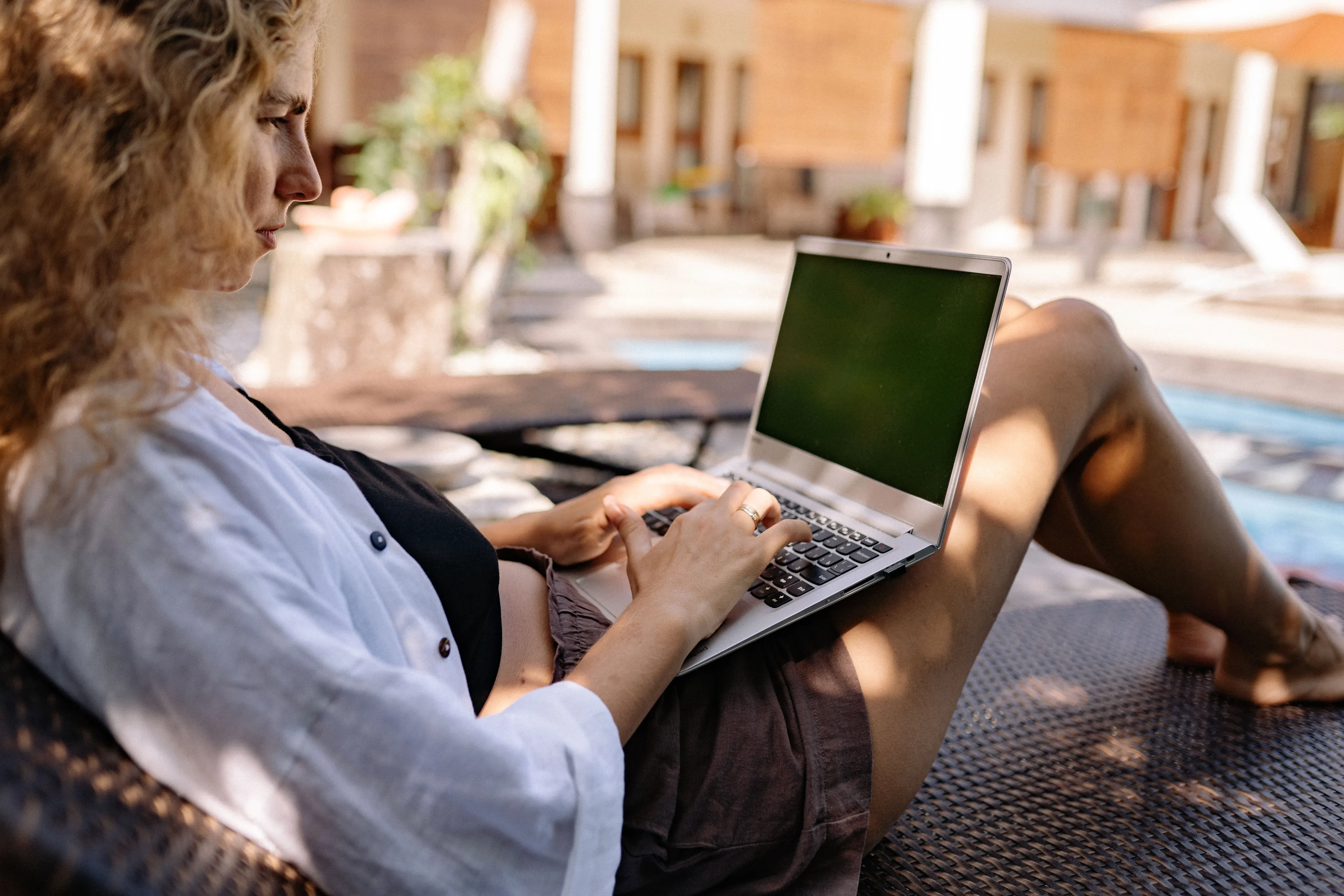
There is a version of workation that sounds great in theory. Different view. New energy. Fresh thinking. And there is a version that ends with you hunched over a laptop in a kitchen chair, squinting at a screen that catches the afternoon glare, waiting for a Wi-Fi connection that never quite arrives. The difference between those two experiences is not the destination. It is what you knew to look for before you booked it.
Most people choose a workation spot the way they choose a holiday. They look at the photos. Check the price. Read a few reviews. And make a decision based on how a place looks, not how a place works.
That is understandable. It is also the reason a lot of workations quietly disappoint. Not dramatically — nobody posts about it. But the week that was supposed to reset everything ends up being a different kind of tired. You come back not quite refreshed, and not quite sure why. The honest answer is almost always the setup. And the setup is something you can check before you book.
The one thing that ends workations before they start
Bad internet. Not slow internet. Not intermittent internet. Bad internet of any kind, and the whole thing falls apart. You cannot be present somewhere new when you are spending half your mental energy managing connectivity.
Before anything else, look for tested, documented upload and download speeds. Not just “Wi-Fi available” — actual numbers. Anything under 25 Mbps upload is going to cause problems if your work involves video calls, file transfers, or anything running in real time. If a listing does not mention speeds at all, that is useful information too.
Where you sit matters more than where you are
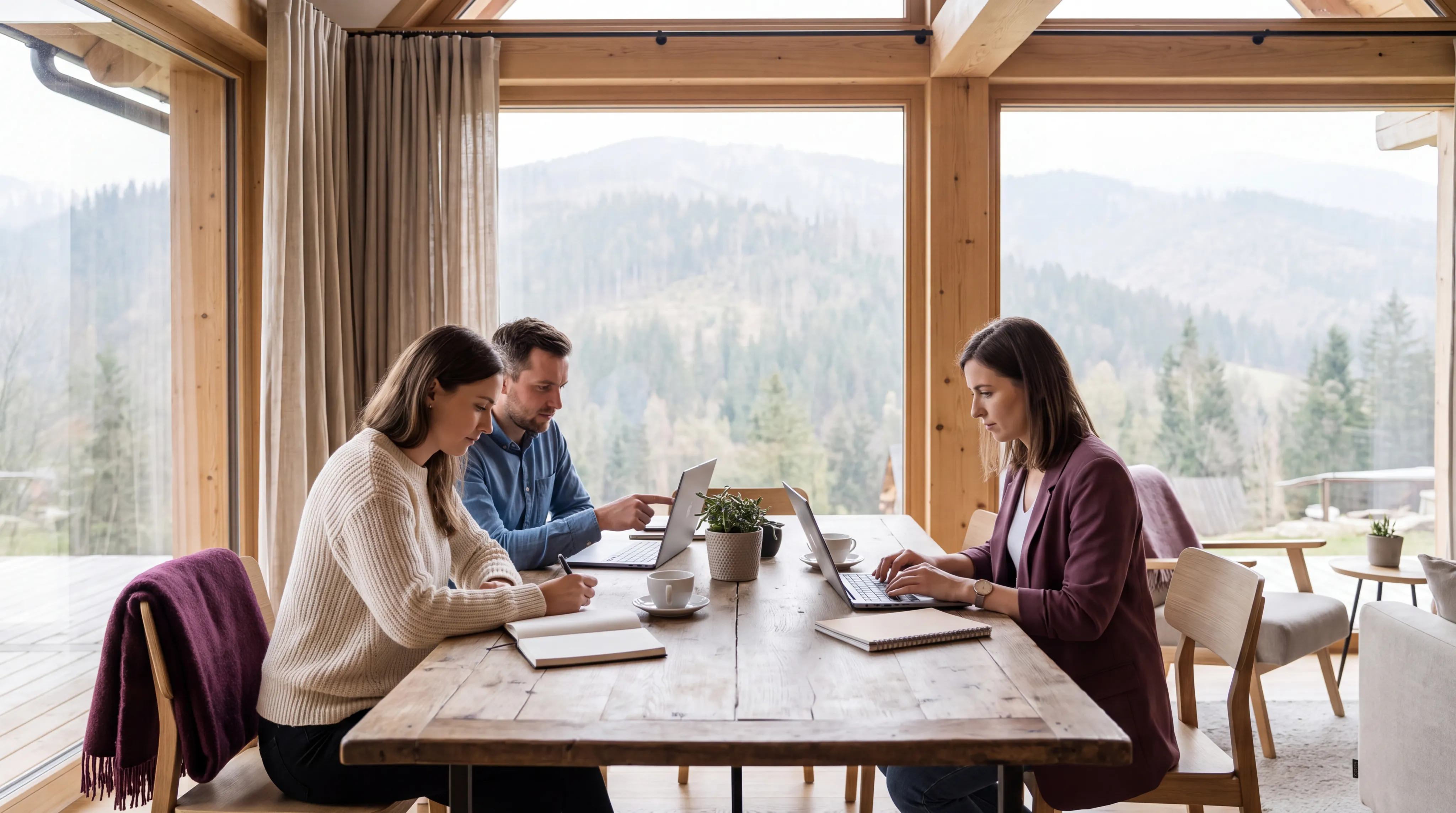
There is a meaningful difference between a surface to put a laptop on and a workspace that holds up across a full day. A beautiful dining table is not a desk — by hour four, your posture will have made that clear.
What you are looking for is a dedicated workspace at a proper height, a chair that actually supports you, and enough surface area to work the way you actually work. A dedicated space that is separate from where you eat and sleep is the thing that determines whether your brain can switch off at the end of the day, which is most of the point. If you are sleeping, eating, and working in the same room, the mental reset you came for is not going to happen — not because the place is bad, but because the brain needs a physical cue to know when work is done.
The Instagram trap
The most common workation mistake is optimising for the wrong thing. A beach looks incredible in photos. It is also loud, bright, and full of the kind of sensory overload that makes focused thinking almost impossible. A beautiful apartment in the middle of a city might feel perfect until the street below is still going at midnight and your sleep starts to fracture.
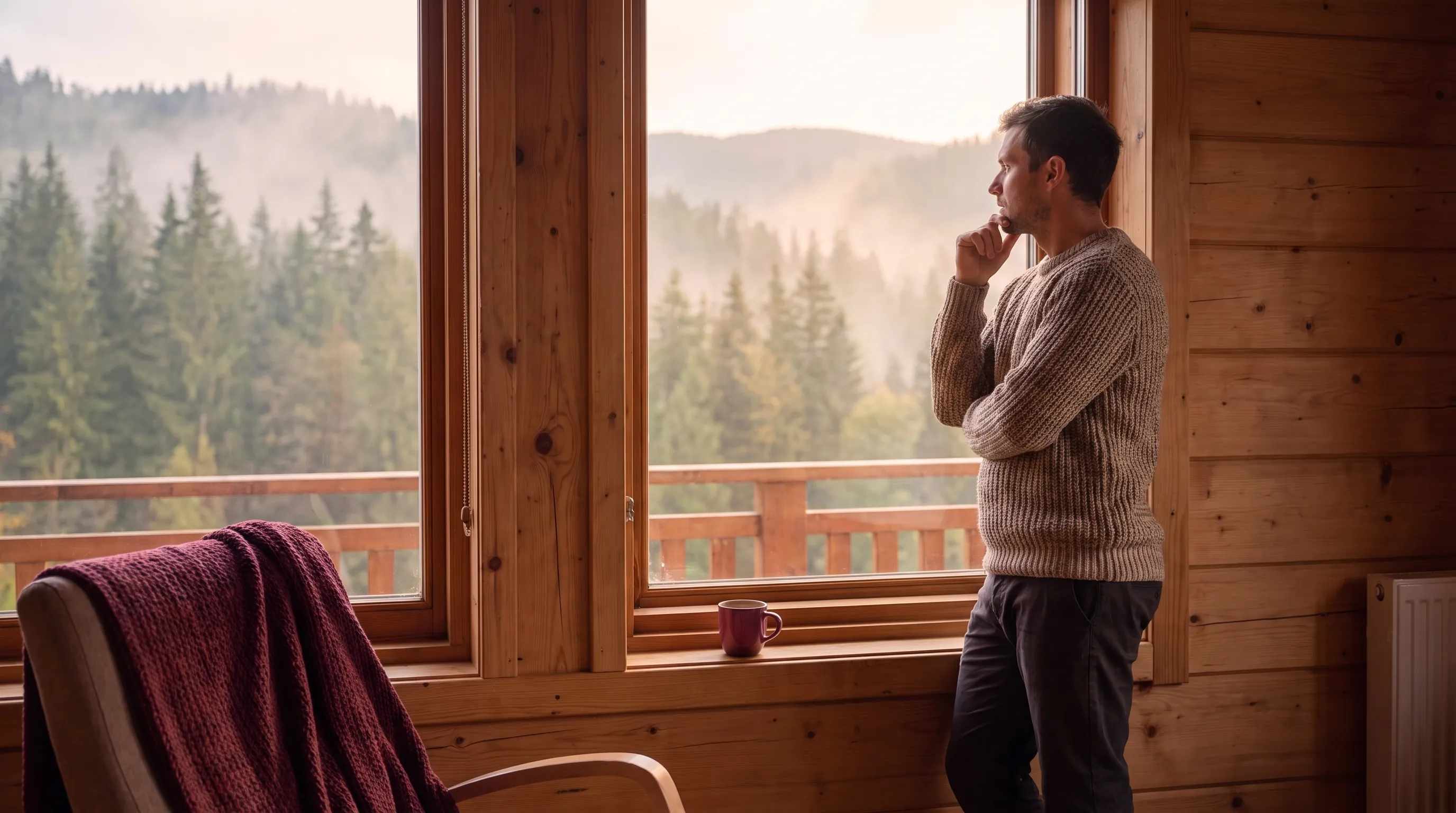
The places that tend to work best for workations are not the most dramatic ones. They are the ones that balance stimulation with calm. Research published in Scientific Reports in 2023 found that even brief exposure to natural environments measurably improves working memory performance and reduces cognitive fatigue. You do not need a forest outside the window. You need somewhere your eyes and your nervous system can rest on something that is not a screen.
Stay long enough for it to work
This one does not get talked about enough. A long weekend is barely time to decompress. By the time you have settled in, adjusted your rhythm, and stopped mentally rehearsing what you left behind, it is almost time to pack up again.
A week is the minimum for a workation to do what it is supposed to do. The first couple of days are adjustment. Days three to five are where the reset actually happens. If you can stretch it to ten days, the benefit keeps building. This is not about taking more time off work. It is about giving the change of environment long enough to actually change something.
What to look for before you commit
The questions worth asking before booking any workation location:
- Is the internet speed documented? Not just mentioned, documented with actual numbers.
- Is there a proper desk and chair, separate from the sleeping and eating area?
- What direction do the main windows face? West-facing in the afternoon tends to mean glare; north or east tends to mean consistent, workable light.
- What is the noise situation after dark? Look for mentions from people who worked there, not just stayed there.
- Is there somewhere to walk that is not just pavement — a park, a path, a river?
This is the exact work that goes into building the HelloWale collection. Every location is personally visited, not listed by owners or rated by an algorithm. Visited, tested, and checked against what a real working day actually needs, so that when you arrive, the setup is already taken care of. The only thing left to figure out is the work itself.
How HelloWale can help
Finding a workation spot that genuinely works takes more research than most people have time to do. HelloWale does that research for you — every location in the collection has been visited in person and checked for connectivity, workspace quality, and the kind of setting that makes a workation worth the effort. Browse locations built for remote workers.
Sources
- Li, H. et al. “Effects of nature on restorative and cognitive benefits in indoor environment.” Scientific Reports, Nature Publishing Group, 2023 — nature.com
- “Assessing the objective and subjective impacts of nature for reducing cognitive fatigue.” Journal of Cognitive Psychology, 2025 — tandfonline.com
- WFH Research, Remote Work Data 2024–2025 — wfhresearch.com