Your Team Is Stuck. The Office Might Be Why

HelloWale Team
Published: August 8, 2026 · 4 min read

Apple started in a garage. So did Google. So did Amazon. More than likely, the magic wasn’t found through working next to spare car parts. The magic came from a space to think differently. Informal spaces away from watercoolers and office chairs. Just a problem, a team, and a different space to think differently in. Maybe it’s time we start thinking outside of the office walls?
Most teams today have the opposite of what Jobs and Bezos started with. Structured meetings, familiar walls, and a calendar that leaves no space for the kind of thinking that actually moves things forward. If your team has a project that needs momentum, a strategy that won’t come together, a product that keeps stalling, a conversation that never quite happens in the office — the building itself might be part of the problem.
It might be time to leave it. Working from an office or home office encourages routine, and routine often leads to repetitive ways of thinking. A change of work environment can act as a mental reset.
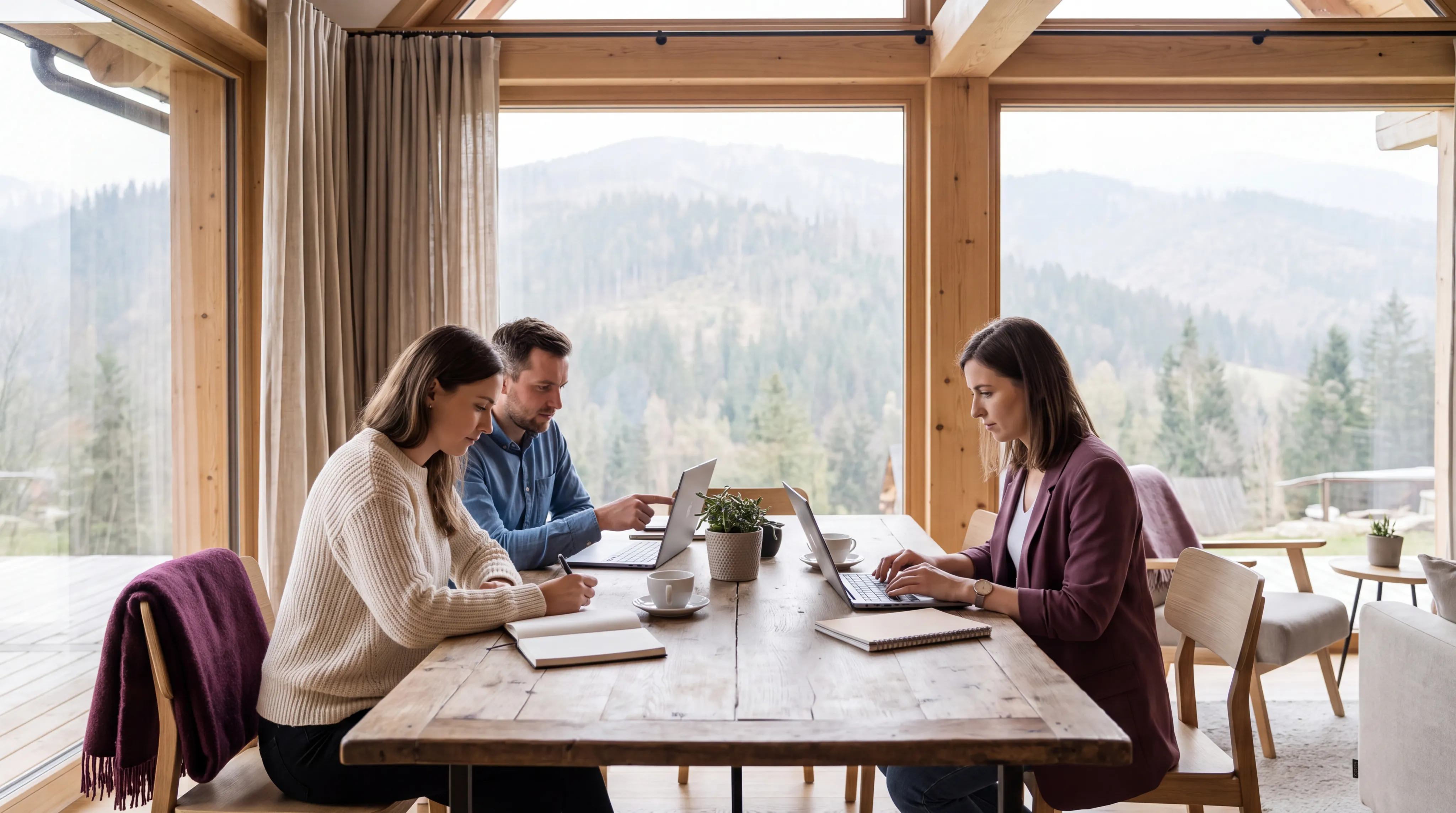
The answer isn’t more structure. It’s less. A team workation close to nature strips away the formality that keeps most office conversations safe and predictable. Hierarchies soften. Conversations go deeper. Creativity gets louder. Sometimes all a stuck project needs is for the team to step out of the anyday, into anywhere.
Closer to nature, closer to creativity and recovery
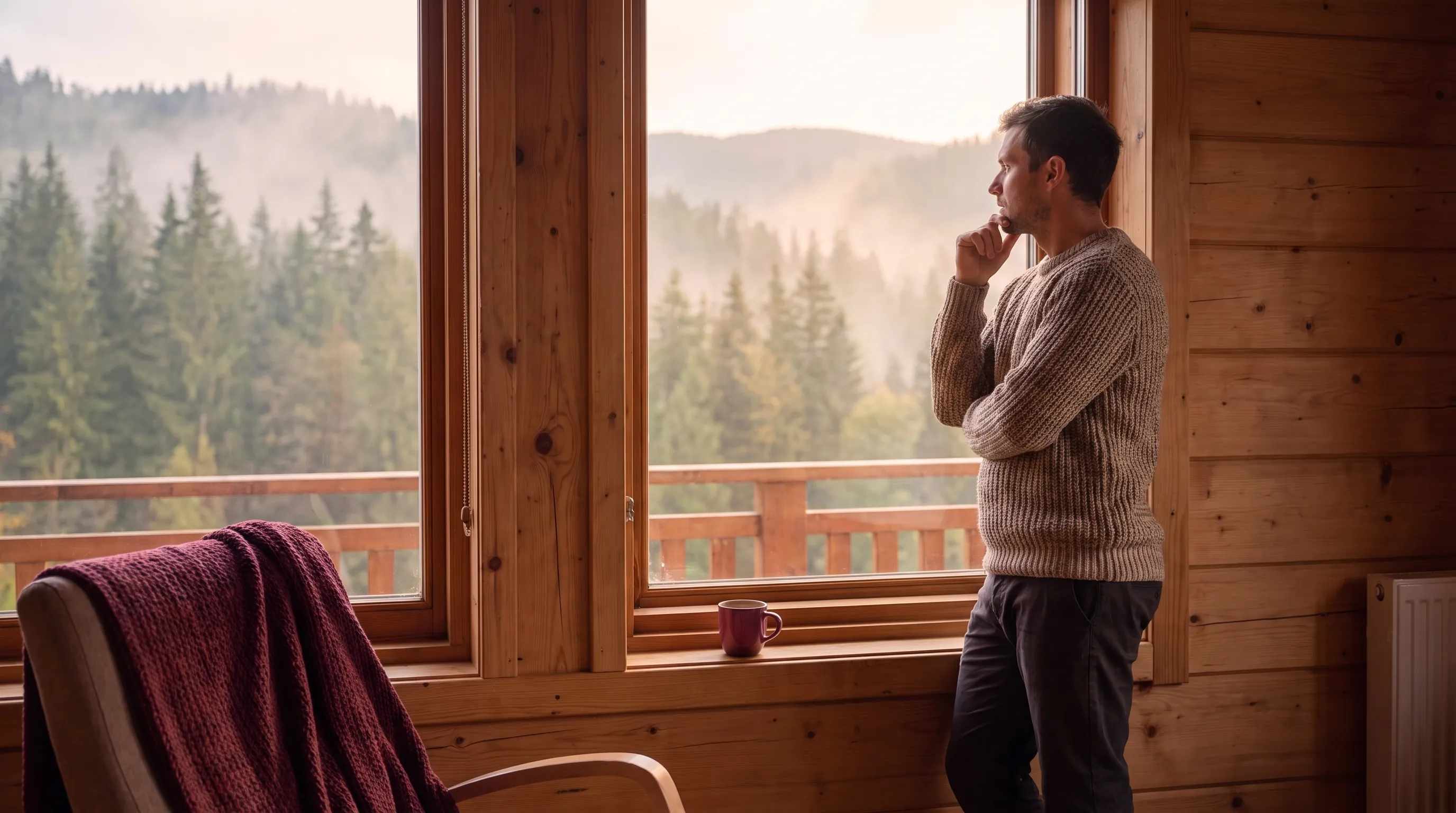
A forest, a lake, or a mountain view aren’t decoration. They’re thinking tools. Natural surroundings reduce the noise that makes office work so mentally taxing, and create the kind of headspace where broader, less guarded thinking becomes possible. A walk outside isn’t a break from work. For most people, it’s where the actual work happens.
Steve Jobs knew this. He was famous for walking meetings, often hours at a time, sometimes alone, often with someone he needed to think through a problem or close a deal with. Not because he liked fresh air — because movement and environment change how the mind works.
The Japanese have a word for it: shinrin-yoku, roughly “forest bathing.” Mindful time among trees, away from screens and schedules. In Japan it’s not a wellness trend, it’s a workplace benefit, one that’s built into health insurance packages by employers who understand what recovery actually looks like. The science behind it is solid, the logic is simple: time in nature isn’t passive recovery. It’s active restoration.
Team workation: when to go and how to get it right
Consider a team workation when:
- a strategic or conceptual challenge keeps stalling
- a product or service needs fresh momentum
- the team is running low on creative energy and routine is showing
The goal isn’t to recreate the office somewhere more scenic. It’s to create the conditions that the office can’t. That means less schedule, more space. Dedicated time for brainstorming, individual thinking, and capturing what comes out of it. An organised reset with goals in sight, and a task to overcome. Just maybe not as a forty-slide PowerPoint. Steve Jobs would agree.
Better team building starts outside the office
Workation does something most team building can’t — it doesn’t get in its own way. No icebreakers, no facilitators, no organised activities that everyone puts on a brave face for. Team workation creates the conditions for relationships to form the way they actually do: by making a meal together, sharing an evening walk, or having a slower morning with reduced pressure. These are the moments that actually build trust far greater than any formal workshop — the kind that shows up later, in how people communicate, collaborate, and back each other up.
Close to nature, but with good working conditions
Relaxed doesn’t mean unprepared. Team workation is still work, just done somewhere that makes better thinking possible. The venue needs to hold up its end of that. The non-negotiables:
- Fast, reliable internet
- Ergonomic seating
- A large screen or additional monitors
- Space that works for both group sessions and individual focus
Give your team space to think, talk, and create
A small team thrives best on a workation. 2–6 people, somewhere well-equipped and close to nature, away from the usual noise. The return on that is harder to put in a spreadsheet, and you’re not just giving them a change of scenery — you’re investing in the ideas, decisions, and solutions that will drive results long after they’re back at their desks. Wellbeing and creativity aren’t separate priorities. Team workation is what happens when you stop treating them that way.
Sometimes the best way to take the next step forward is simply to leave the office.
How HelloWale can support you
HelloWale lists locations built for exactly this: informal, close to nature, and vetted for the working conditions that make team workation actually work. Fast internet, proper setup, space for both collaboration and focus. The environment is taken care of — what happens inside it is up to you and your team.