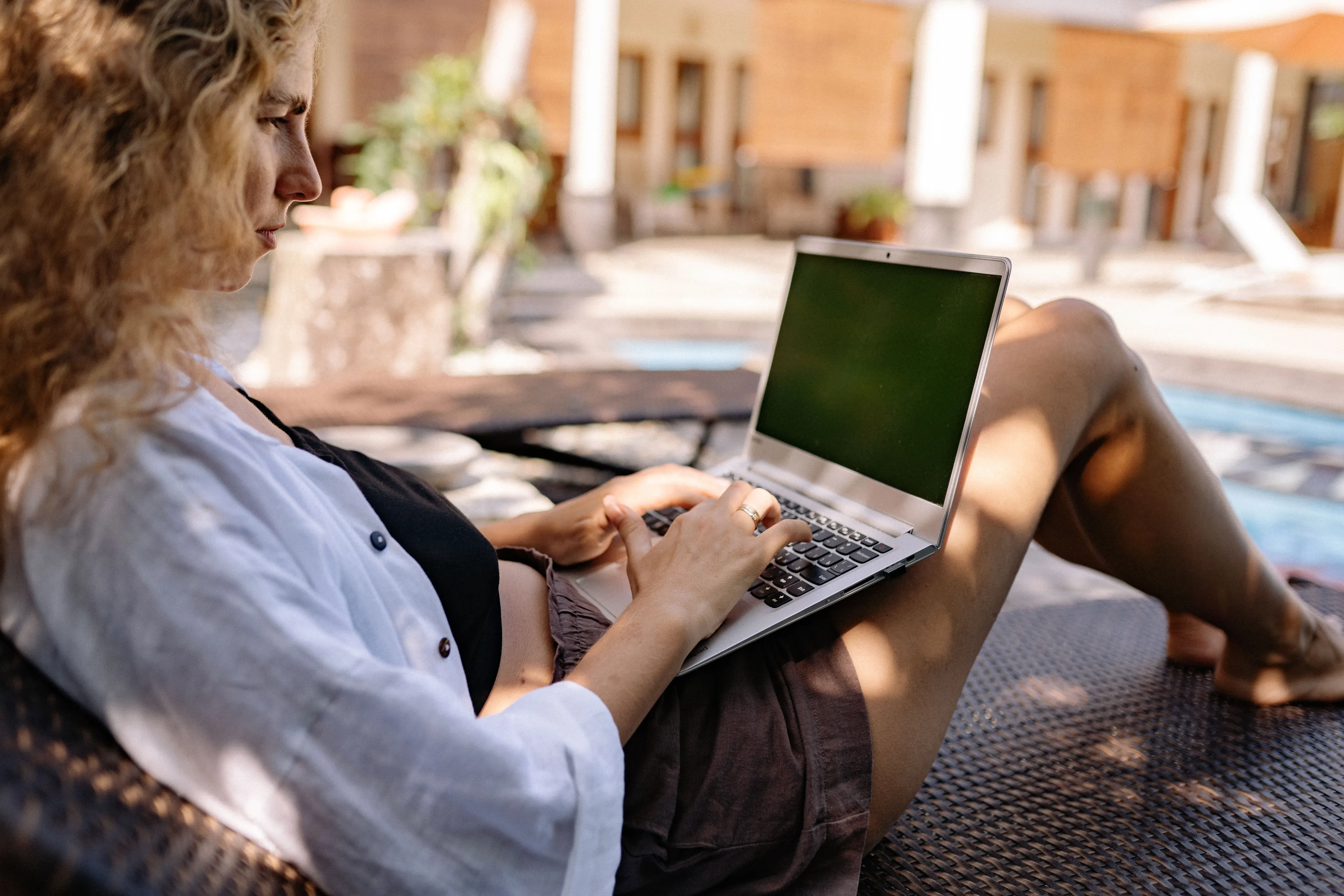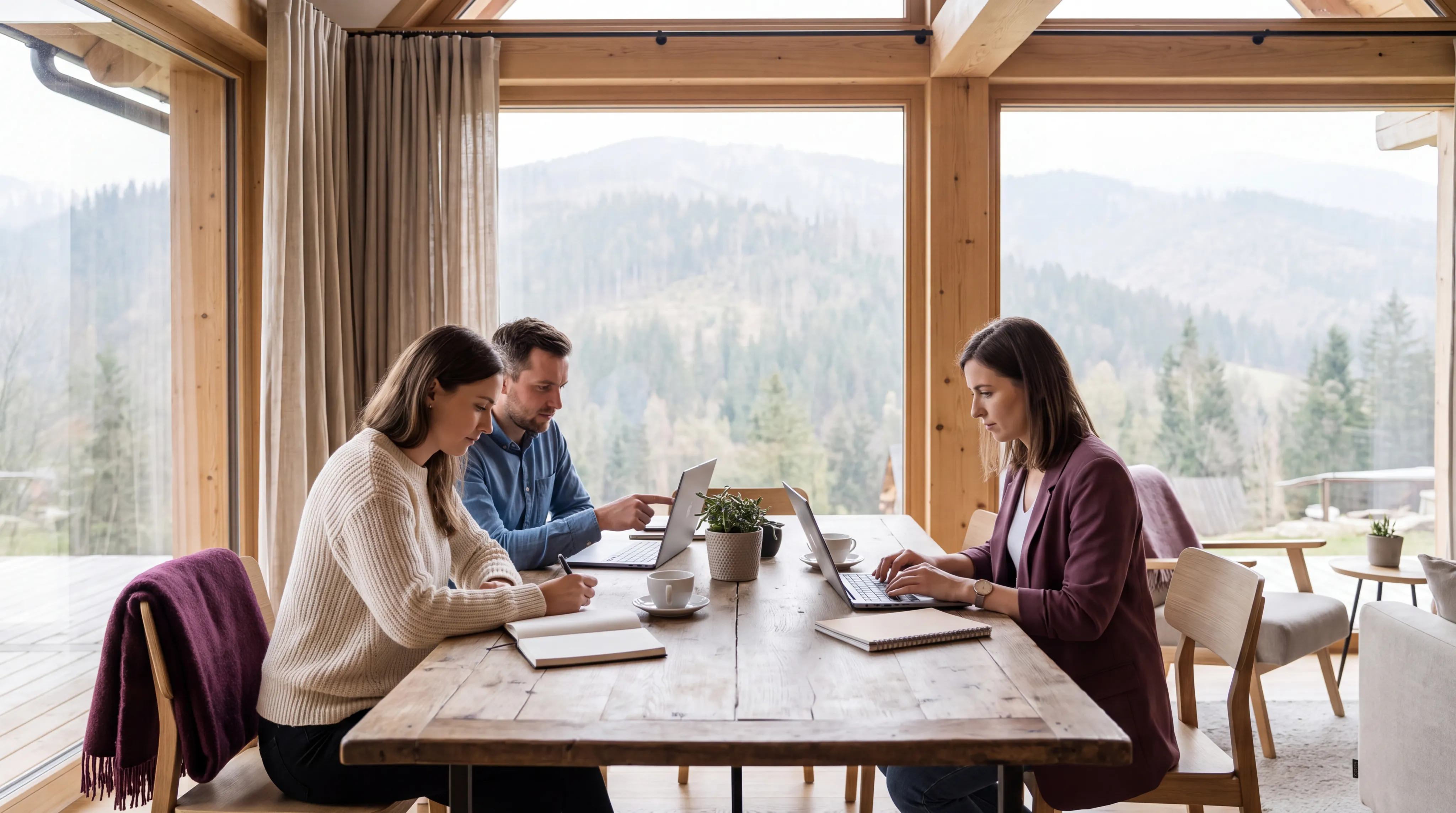
Why HelloWale Exists

HelloWale Team
Published: August 1, 2026 · 5 min read
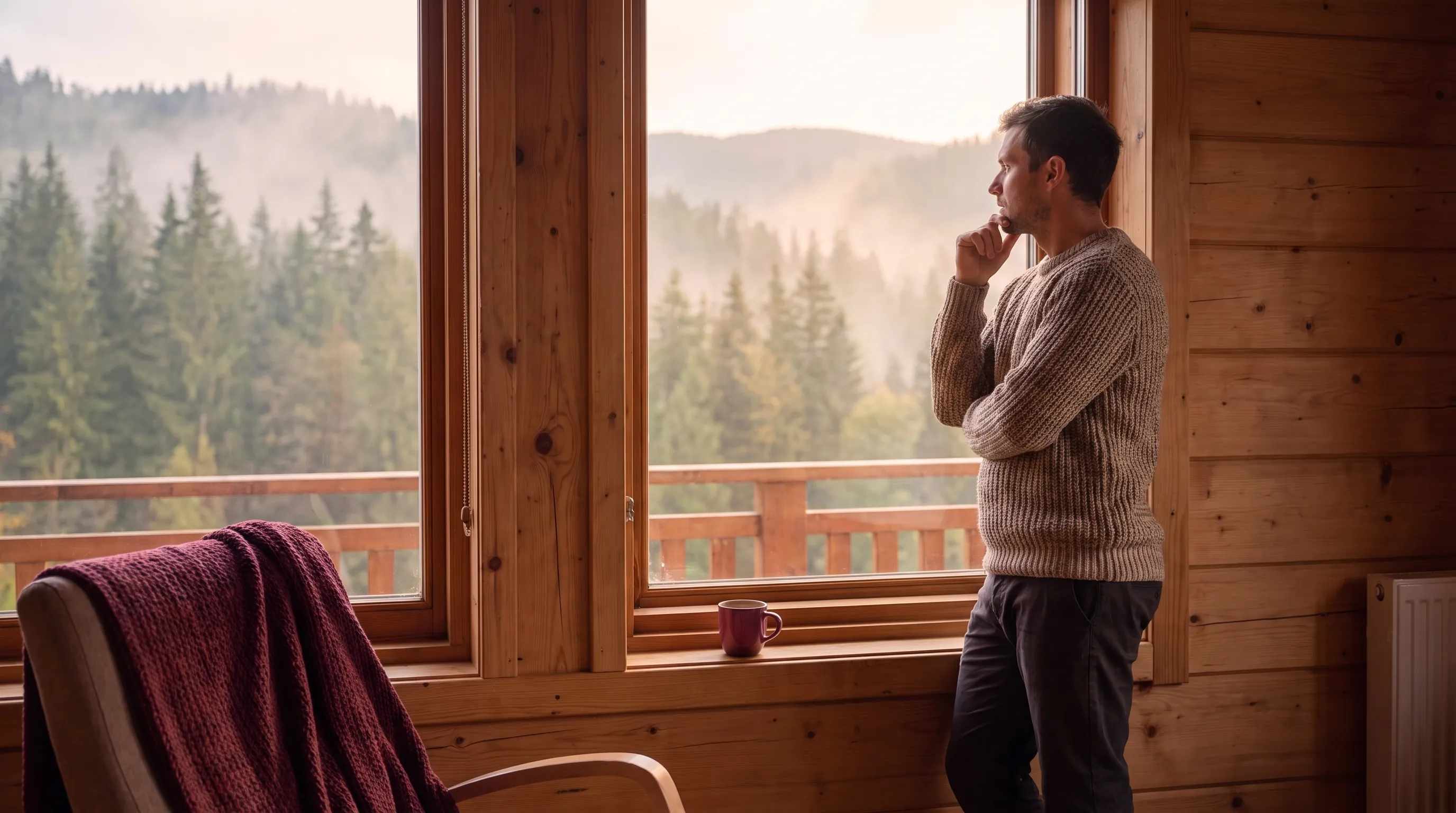
When remote work arrived, we did the sensible thing. We stayed home. Set up a corner. Made it work. And then kept making it work, from the same corner, every day, until some of us ventured outside to head directly back into the office for a few days a week.
Somewhere between the laptop opening and the third coffee of the day, remote work stopped feeling like freedom and started feeling like furniture. But the problem was never the work. It was the where. HelloWale was built for the moment that becomes obvious — for every remote worker, digital nomad, and tired team that’s ready to find a workation worth showing up to.
Remote work was supposed to change everything.
And in a lot of ways, it did. It changed the commute. It changed the schedule. It changed the conversation about where work could happen and who got to decide. But for most people, when the dust settled, one thing stayed exactly the same: the desk.
Whether they were at home or even back in the office, it was the same four walls. The same chair. The same view of the same street. The same background noise, the same afternoon slump, the same feeling that the day had happened without really going anywhere.
Remote work gave people the freedom to work from anywhere. Most used that freedom to work from home. Which made sense — it was practical, it was familiar, it was enough. For a while.
The office issue is well documented, even if it took a global pandemic to finally say it. The open plan that isn’t open to thinking. The meeting that could have been an email. The commute that costs two hours and returns nothing. Home was supposed to fix all of that, and for a while, it did — the commute disappeared and the schedule opened up. But as quickly as it started, home came with its own where problem. A quieter one that doesn’t announce itself but rather accumulates. Neither office nor home office are really working anymore.
The hidden cost of the same desk.
There’s a reason the best ideas don’t happen at desks. They happen in the shower. On a walk. On a train moving through somewhere new. In a coffee shop in a city you don’t know well enough to feel at home in yet.
Familiarity, it turns out, is the enemy of momentum. When the brain knows exactly where it is and what to expect from every day, it stops paying attention. Routine is efficient. But it is also, quietly, deadening. New environments change that — not because novelty is inherently productive, but because the brain in an unfamiliar setting is an engaged one. This isn’t a wellness argument, or a work-life balance argument. It’s a quality of thinking argument. Where you work shapes how you think. Change the where, and something else changes too.
The gap nobody was filling.
When HelloWale looked at what existed for remote workers who wanted to work from somewhere different, what they found wasn’t quite right.
Holiday platforms had the locations — beautiful, well-photographed, easy to book, but built for people switching off, not logging on. Business travel had the infrastructure — reliable, functional, and deliberately invisible. Co-working spaces had the setup, but none of the environment. A co-working space in a grey building isn’t a change of setting. It’s just a different commute.
Nobody was combining the two things that actually matter to someone who needs to work from somewhere worth being in: a place worth being in, and a setup that holds up when you get there. That was the gap. And that’s when HelloWale was born.
Not an escape. A better version.
This is the question HelloWale gets asked most: is this just a way to dress up a holiday as a business trip? No. And the distinction matters. HelloWale was built for people who aren’t trying to escape work, rather increase their work-life balance — not by separating the two further, but bringing them closer together.
It’s not about kicking back on a beach pretending to check messages. It’s about momentum. About finding the version of the working day where decisions land, ideas move, and the afternoon doesn’t quietly disappear. Some places do that. Most don’t. HelloWale exists to find the ones that do.
Work from anywhere. Work from everywhere.
Every location in the HelloWale collection is visited in person — not reviewed remotely, not listed by owners, not sourced from an algorithm. Visited. Assessed. Hand-picked.
The criteria were built around what a remote working day actually requires: tested wifi speeds, dedicated workspaces, proper desks, monitor-ready setups. But the practical criteria was never the whole story. The other half is harder to put on a spec sheet — the quality of the light, the feeling of a space, whether a setting adds something to the thinking or just sits behind it. Both things have to be true before a location makes the list: the workspace that works, and the setting that earns its place.
The freedom we forgot to use.
Remote work handed us a laptop and told us anywhere was possible. Most of us chose the kitchen table. Which was fine, practical, sensible — for a while, enough.
But the freedom was always bigger than that. It was always an invitation to stop choosing between the office that drains and the home that flatlines, and to find the places that bring something out instead — in the thinking, in the decisions, in the work itself. The problem was never the work. It was always the where.
HelloWale was built for the moment that becomes obvious, for every remote worker, digital nomad, and team ready to find a workation worth showing up to. It all starts with where. Your office, reimagined.
How HelloWale can help
If the where has been holding your work back, HelloWale was built for exactly that moment. HelloWale provides a curated selection of workation stays, hand-picked for remote workers and teams who are ready to find out what the right somewhere does to their work. Browse workation destinations built for you.